
316 Patiala villages to get clean drinking water as Mann opens ₹432-crore plants
 The Standard Desk
Published
PATIALA. More than 4.5 lakh people in 316 villages of Patiala district, who have lived for years with groundwater laced with fluoride, arsenic and uranium, will now get treated canal water at home every day.
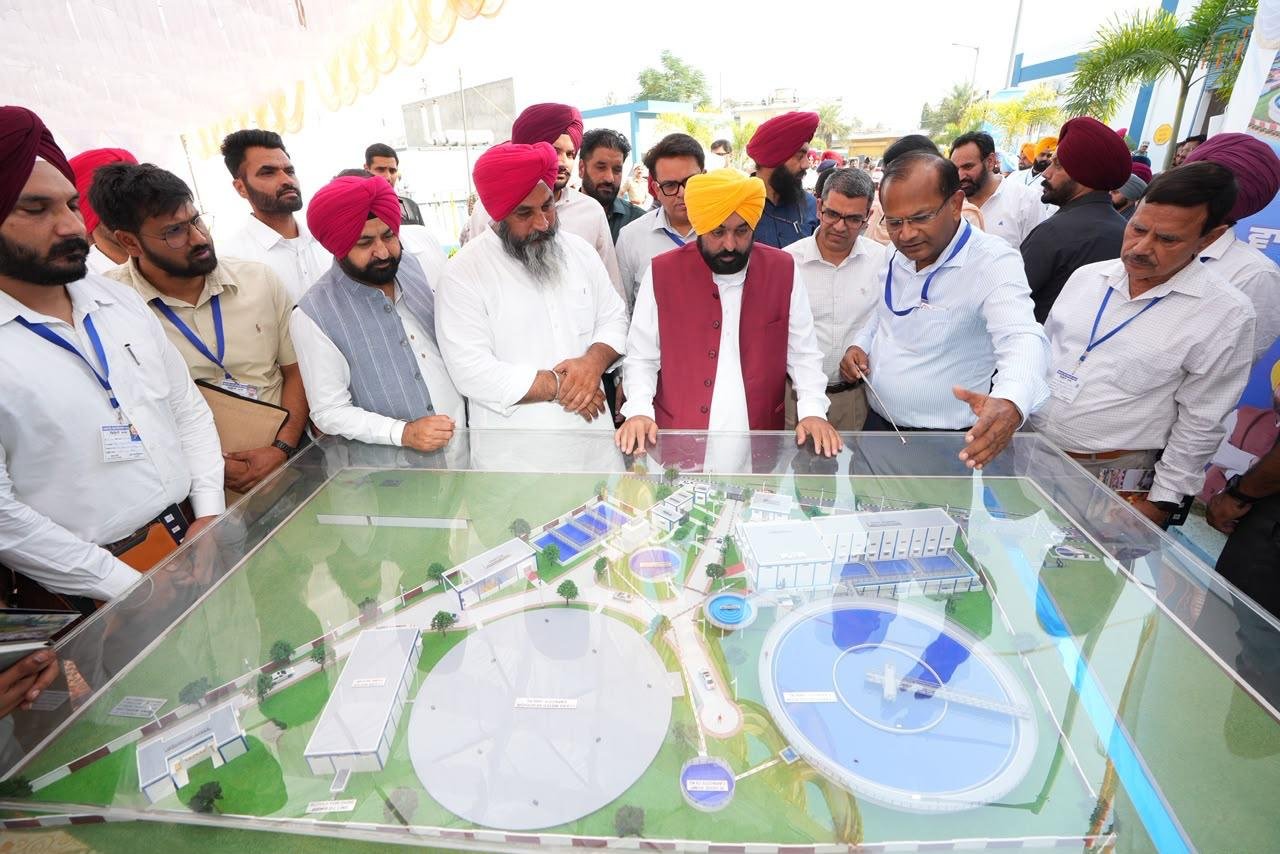
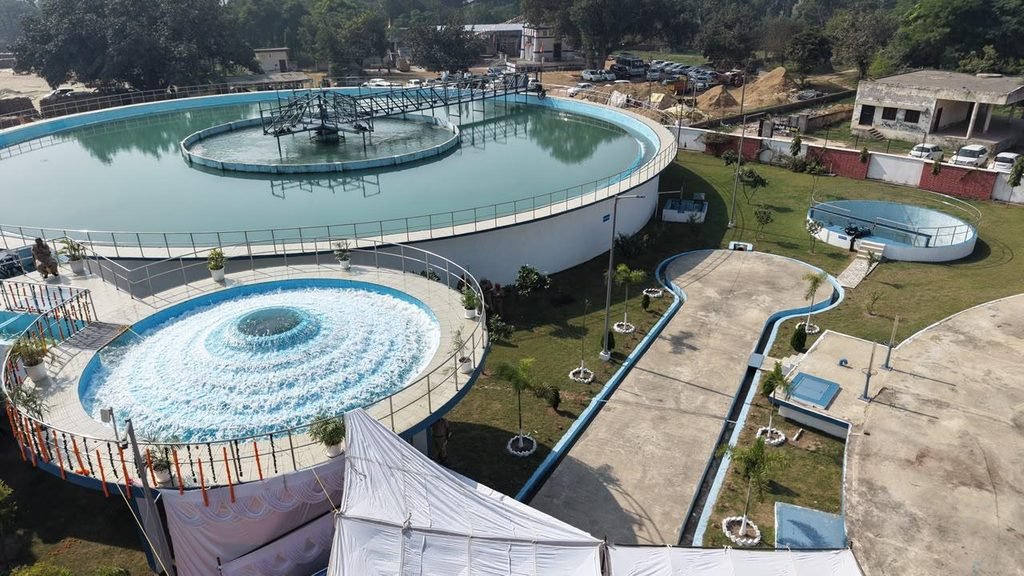
Punjab Chief Minister Bhagwant Singh Mann on Monday dedicated two water treatment plants, built at a cost of ₹432.65 crore, to the public at Mandoli village in Ghanaur constituency. The plants at Mandoli and Pabri will supply water to about 75,000 households through a 752-km pipeline network.
“It is unfortunate that even 80 years after Independence, people in these villages were still deprived of the basic necessity of clean drinking water,” Mann said. “This work should have been completed decades ago, but previous governments completely ignored the needs of Punjab’s people.”
Poisoned groundwater
Tests found fluoride and heavy metals, including arsenic, uranium, lead and aluminium, above safe limits in the 316 villages spread across Ghanaur, Rajpura, Sanaur, Patiala Rural and Shambhu Kalan.
“Access to clean drinking water is directly linked to public health,” Mann said. “Due to the high concentration of fluoride and heavy metals in groundwater, the decision has been taken to supply canal-based drinking water.”
The shift also eases pressure on falling water tables. Punjab draws 156.36% of the groundwater that nature puts back each year. In Patiala, the figure is about 208%. The district pulls out 1.89 billion cubic metres (BCM) a year against a recharge of just 1.01 BCM.
What the project covers
The Mandoli plant cost ₹266.20 crore and the Pabri plant ₹166.46 crore. Treated water will be stored in 259 overhead reservoirs before reaching homes. The government says the plants are designed to meet the area’s drinking water needs till 2049.
Labs at each plant test water samples every day, before and after treatment, and send monthly reports to the state-level water testing laboratory. An automated monitoring system (SCADA) tracks water flow and quality round the clock at the plants and every storage tank.
The company that built the plants will run and maintain them for 10 years. Water and sanitation committees have been set up in all 316 villages to keep a check on supply.
‘A big relief’
Villagers said the change was already visible. “Earlier, we faced problems with the quality of groundwater, and getting clean drinking water was a major concern for our families,” said Gurpreet Singh, a resident of Patiala district. “Now canal water is being treated and supplied directly to our homes.”
Harpreet Kaur of Sanaur said her family no longer worried about what they were drinking. “Now clean treated canal water is reaching our homes, making our daily lives much easier,” she said.
Big cities next, but delays persist
Mann said work was under way to bring canal water to Ludhiana, Amritsar, Jalandhar and Patiala cities. These projects will serve about 78 lakh people, with a combined treatment capacity of 1,410 million litres a day (MLD), over 500 km of pipelines and 224 new reservoirs and pumping stations.
The government admitted these city projects have run into hurdles, including land acquisition, pending NOCs and labour shortages.
On sewage, 152 treatment plants with a combined capacity of 2,243.7 MLD now run across 23 districts. The state expects to raise this to about 2,676 MLD by December 2027 by adding around 58 new plants, including two 50-MLD plants at Amritsar and Zirakpur.



Comments