
CEC Gyanesh Kumar in Punjab soon: Election 2027 dates likely in January
 The Standard Desk
Published
Chandigarh. Punjab could learn its assembly election dates in the first week of January. Polling is likely in the last week of February or the first few days of March.
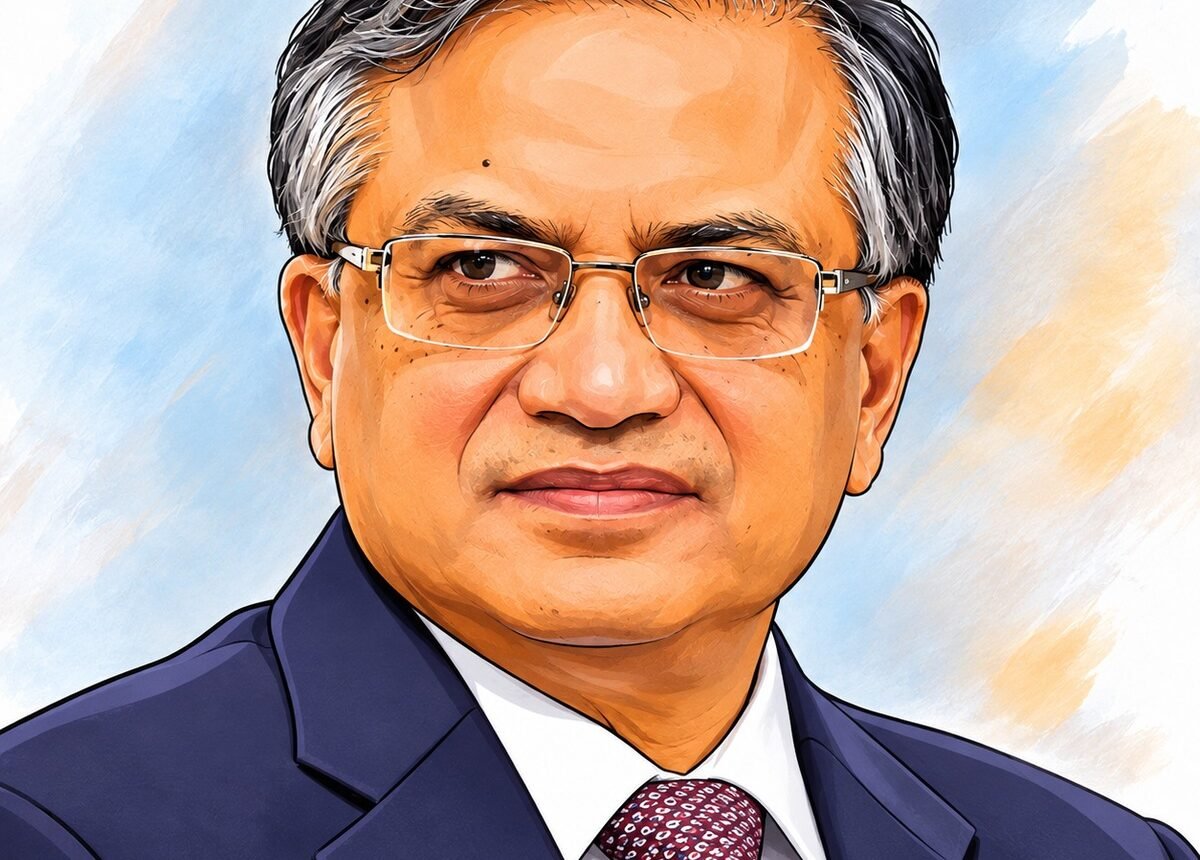
Chief Election Commissioner (CEC) Gyanesh Kumar will be in Punjab soon, probably before November ends. The Commission is likely to finish reviewing the other four poll-bound states (Uttar Pradesh, Uttarakhand, Goa and Manipur) by the last week of December before it announces a schedule.
Nothing is final yet. The Commission has not officially announced any dates, and the timeline could change.
What is fixed is the deadline. The Bhagwant Mann government’s term ends on March 16, 2027. The election for all 117 assembly seats must be over before then. Punjab’s final voter list has 2,01,00,727 names, including 7,97,263 new voters.
What changes once dates are announced?
The model code of conduct comes into force across Punjab on the day the schedule is announced. The government can no longer announce new schemes or projects. Ministers cannot use official vehicles or staff for campaigning, and officers cannot be transferred without the Commission’s approval.
What happened in 2022?
Last time, things moved fast. The Commission’s team visited Punjab on December 15 and 16, 2021. Just 24 days later, on January 8, 2022, the code was in force. Punjab voted on February 20, and results came on March 10.
Officers face November 30 deadline
On October 27, the Commission ordered the five states to move election officers out of their home districts. Officers who have spent three years in the same district must also go.
“No officer connected directly with election shall be allowed to continue in the present district of posting if she/he has completed three years in that district during last four years or would be completing three years on or before 31 March 2027,” the order says.
Officers retiring by March 31, 2027 will not be transferred, but they will lose any election duty. Staff at state headquarters and those with no election role are exempt, but if a complaint of political bias against them is proved, they can still face action. Officers working on the voter list will be moved only after the final roll is out. Their transfers need the Chief Electoral Officer’s consent, and the Commission’s approval in exceptional cases.
Every election officer must give a written declaration of two things: they are not a close relative of any candidate or senior party office-bearer, and no criminal case is pending against them. Transferred officers must hand over charge immediately, without waiting for their replacement. The Chief Secretary and the DGP must send an action-taken report to the Commission by November 30.
Gangsters, drugs and borders likely on CEC’s agenda
Police officers are likely to brief the Commission on gangsters, criminals, illegal weapons and drug trafficking. They will also need to present plans to guard Punjab’s inter-state borders with help from neighbouring states.
Booths with a record of violence, booth capturing or clashes are likely to be marked sensitive or hypersensitive. These booths could get extra police, central forces and live webcasting.
The Commission may also check how ready the state is to stop voters being bought with cash, liquor, drugs and gifts. That means flying squads, static surveillance teams, check posts and teams tracking poll spending.
Who else the Commission may meet
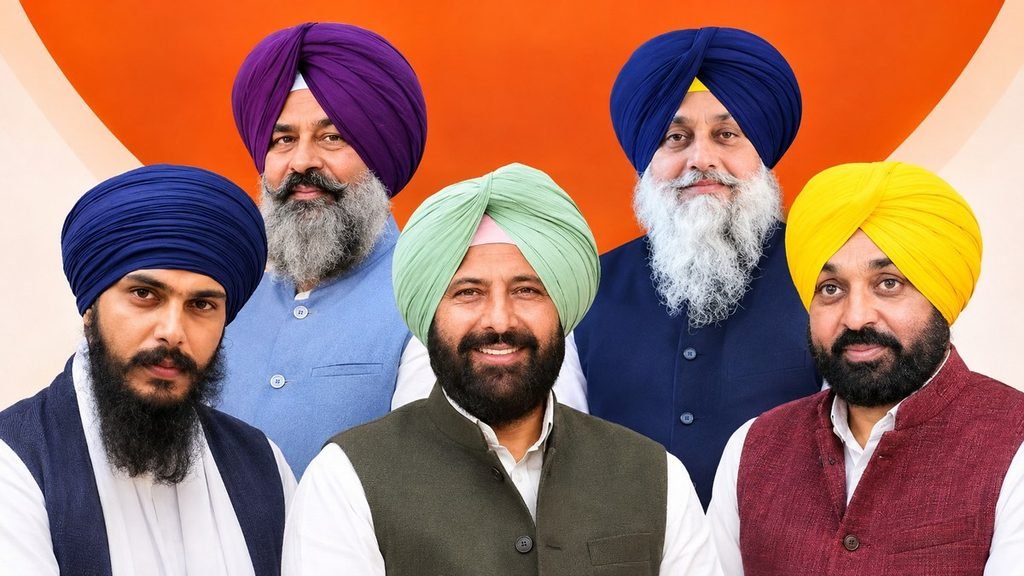
Recognised national and state parties are likely to get a hearing. They may raise fair polling, officer postings and security.
Deputy Commissioners, Police Commissioners and SSPs may have to present district-wise poll plans. They may also have to answer for the voter list: names added, dead and shifted voters removed, errors fixed and, most of all, how many young voters have registered.
EVM and VVPAT stocks, staff training, and basic facilities at polling stations could also come up for review. So could facilities for voters with disabilities. The cVIGIL complaint app, the Suvidha permissions portal and the monitoring of social media for fake news and hate speech are also likely to be checked.
The visit is likely to end with a meeting with the Chief Secretary and the DGP, where the CEC would issue directions.
Groundwork done
A team of senior Commission officers, including Senior Deputy Election Commissioner Pawan Kumar Sharma, has already reviewed Punjab district by district on October 27 and 28. Its report is with the Commission.
If this timeline holds, it settles months of talk about an early election. In June, AAP national convener Arvind Kejriwal claimed at a public event in Bathinda that Punjab could vote in November 2026.

Comments