
Punjab CM Bhagwant clears spiritual de-addiction pilot in Amritsar, Tarn Taran and Fazilka
 Aayush Goel
Published
Updated
Chandigarh : Punjab Chief Minister Bhagwant Singh Mann on Friday approved a pilot programme combining psychosocial care with medical treatment for people battling drug addiction in the border districts of Amritsar, Tarn Taran and Fazilka.
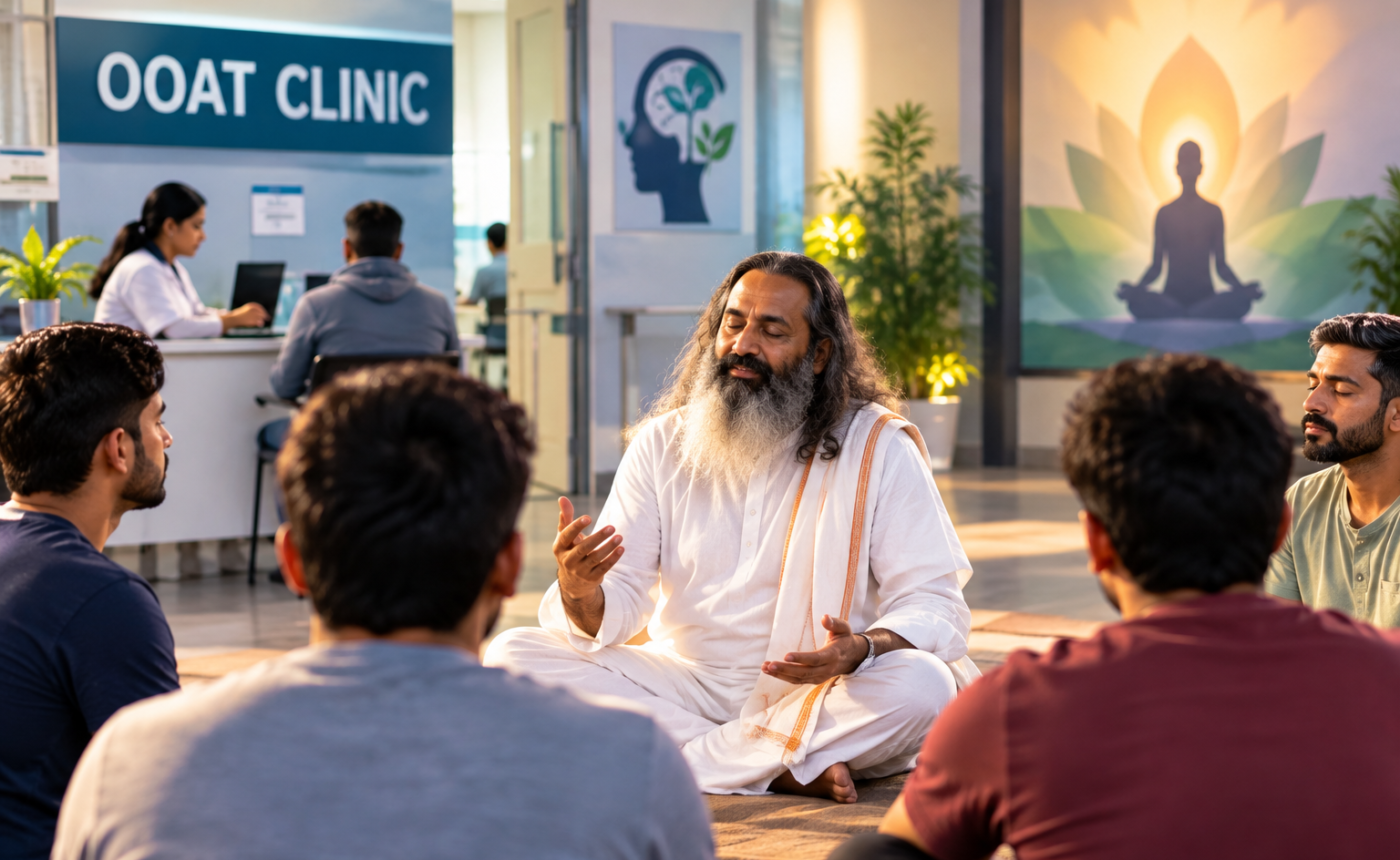
The initiative, to be taken up with the Art of Living Foundation, will focus on improving treatment retention and long-term rehabilitation at OOAT (Outpatient Opioid Assisted Treatment) clinics. Art of Living programmes will also be introduced at OOAT clinics and Central Jails in Gurdaspur and Kapurthala.
Mann said medication must be backed by emotional and psychological support if people are to stay on the path to recovery. “De-addiction cannot be confined merely to medical treatment, as it is also a battle involving emotions and willpower,” he said.
The pilot will operate alongside existing clinical services, with trained local personnel expected to gradually take over its implementation. The government said the model will cover counselling, relapse prevention, community support and rehabilitation rather than relying solely on medical intervention.
Mann said the government had already acted against the supply side of the drug trade and was now placing greater emphasis on helping affected people complete treatment and rebuild their lives.
“Our objective is clear: not merely to bring people into treatment, but also to help them remain in treatment and return to a healthy life with self-respect and dignity,” he said.
Mansa, Sangrur to get groundwater recharge pilot
The CM also asked the Art of Living Foundation to pilot a groundwater recharge and conservation programme in Mansa and Sangrur.
The project will initially focus on developing district-level strategies before being considered for expansion across Punjab. The foundation has been asked to work with government departments on an awareness campaign targeting farmers, students, youth and other sections of society.
Mann said Punjab had substantially increased its use of canal water for agriculture. The state has laid 14,000 km of pipelines, while the share of canal irrigation has risen from 22% when the government assumed office to 88%, according to the Chief Minister.
He said the number of critically groundwater-stressed blocks had also declined from 166 in 2022 to 152 in 2026. Of the 152 remaining blocks, 90 are showing improvement, with groundwater levels rising by 1–1.5 metres, he said. “Punjab’s fight for water security is a fight for the future of our state,” Mann said.
He added that Punjab continues to produce around 18 million metric tonnes of paddy annually for the country’s food reserves, despite paddy not being the state’s staple food.
Chief Secretary K.A.P. Sinha and senior officials attended the meeting. The Art of Living Foundation delegation was led by Brahmachari Pragya Chaitanya, Chairman, Vyakti Vikas Kendra India.
Comments