
Punjab village house not in your name? Free ‘Mera Ghar Mere Naam’ card is coming
 The Standard Desk
Published
Chandigarh: Lakhs of families in Punjab’s villages who have lived in the same homes for generations, without any record of ownership, will get official proof delivered to their doorstep by January 2027.
The property card, given under the Mera Ghar Mere Naam scheme, records the house in the owner’s name for the first time. Owners can use it to take a bank loan against the house, to register the property, and to settle boundary fights with neighbours or within the family.
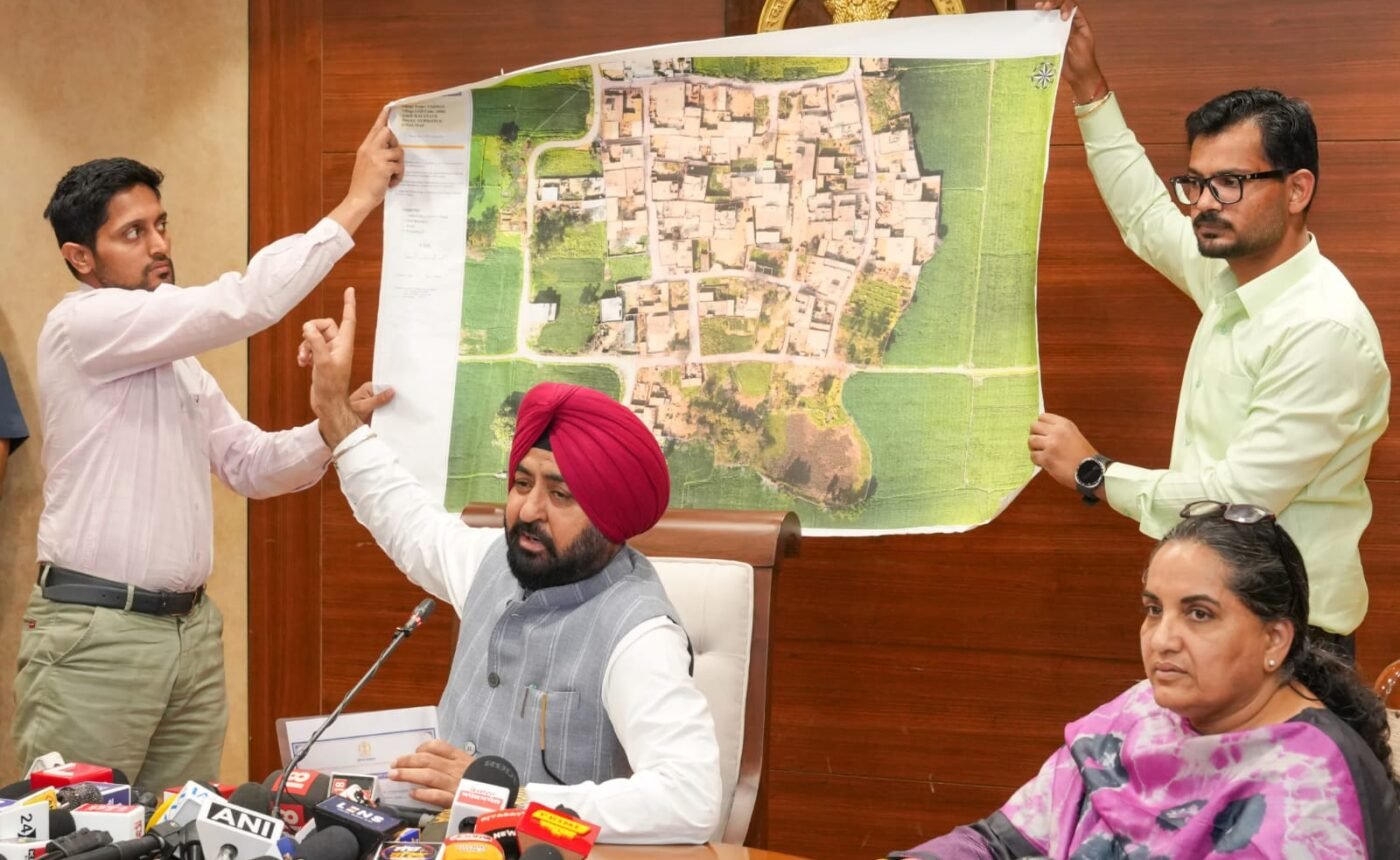
More than 2.19 lakh cards have already been handed out in 1,377 villages across all 23 districts, revenue minister Hardeep Singh Mundian said at a press conference at Punjab Bhawan on Tuesday.
“For years, residents of village Abadi Deh areas had no authentic government record to establish ownership of their houses despite living there for 30 to 40 years,” Mundian said.
When will my village get the cards?
All 10,689 villages in Punjab are being covered in four phases:
First phase, 2,284 villages: by November 15
Second phase, 1,680 villages: by the end of November
Third phase, 1,152 villages: by mid-December
Fourth phase, 5,579 villages: by January 2027
Do I have to pay or visit an office?
No. Cards are handed out at functions held in each village. If you miss the function, an official will bring the card to your home within two days, with a village committee member present. You will sign when you receive it.
The card is free. At a distribution event in Kotkapura in April, Vidhan Sabha Speaker Kultar Singh Sandhwan said ownership certificates are being issued at no cost to families.
Each owner gets a laminated card in an envelope with a letter from Punjab government.
What is on the card?
The card is in Punjabi and English. It shows the survey number, the GPS location and a drone map of your property. It also carries a QR code that anyone, including your bank, can scan to check the details online.
Check your card the day you get it
The minister asked people to check every detail on the card: the owner’s name, each family member’s share and the area of the property.
“People should ensure that any discrepancy is identified and rectified in time so that they can fully benefit from the scheme,” Mundian said.
How to get a mistake fixed
For now, take your card and supporting papers to the Tehsildar or Naib Tehsildar’s office. You can also report the error to your Halqa Patwari.
From December, you can apply online. Scan the QR code on your card, upload your documents, and you won’t need to visit any office.
If you are not happy with the Tehsildar’s decision, you can appeal to the SDM, and then to the deputy commissioner. If the correction is accepted, you will get a new card.
Village not covered yet? Watch your WhatsApp
Before a village record is made final, a draft map and list of owners are put up in the village and given to the gram panchayat. Owners also get their property details on WhatsApp. This is the best time to point out a mistake. Objections can be filed with the Tehsildar within the notified period. Entries that nobody challenges become final.
In December 2025, the Punjab cabinet cut the time for filing and deciding objections and appeals to 30 days, down from 90 and 60 days earlier, so cases should not drag on.
Who gains the most
Mundian said poor and Scheduled Caste families who own no land outside the village will gain the most. “For them, a house in the Abadi Deh is often their only immovable asset,” he said. “With their properties formally recorded in their names, these families will have an official document to safeguard their ownership rights.”
Loans against the house can be used for business, farming, education or healthcare. The record stays in the owner’s name even if the family moves to another city or abroad.
Why these homes had no papers
The inhabited part of a Punjab village, called Lal Lakir or Abadi Deh, was left out of land surveys for decades. Families had no map or official record showing who owned a house or where its boundaries ran.
The scheme was first launched in October 2021 by then chief minister Charanjit Singh Channi, who renamed the earlier Mission Lal Lakir as Mera Ghar Mere Naam. The current drive runs under a 2021 law on Abadi Deh records.
The Survey of India is mapping these areas with drones, and officials visit every house with a village committee to record the owner. In villages where drones could not fly for technical reasons, staff will finish the work on the ground.
The distribution began at a state-level function in Sangrur on October 7 and is running every day. “The distribution process will continue on a daily basis until all targeted villages are covered,” Mundian said.



Comments