
Punjab ₹1,000 scheme fraud: 1,597 govt women staff caught, may lose jobs
 The Standard Desk
Published
Chandigarh. Punjab has caught 1,597 women on its own payroll taking money from a welfare scheme they were never allowed to join. Each of them gave an undertaking about her eligibility when she applied. The state now wants the money back, and some of the women could lose their jobs.
The women are serving employees and pensioners of government departments, boards, corporations and public sector undertakings. They were enrolled in the Mukh Mantri Mavan-Dheeyan Satkar Yojana, the Bhagwant Mann government’s flagship scheme. It pays ₹1,000 a month to women and ₹1,500 a month to Scheduled Caste women.
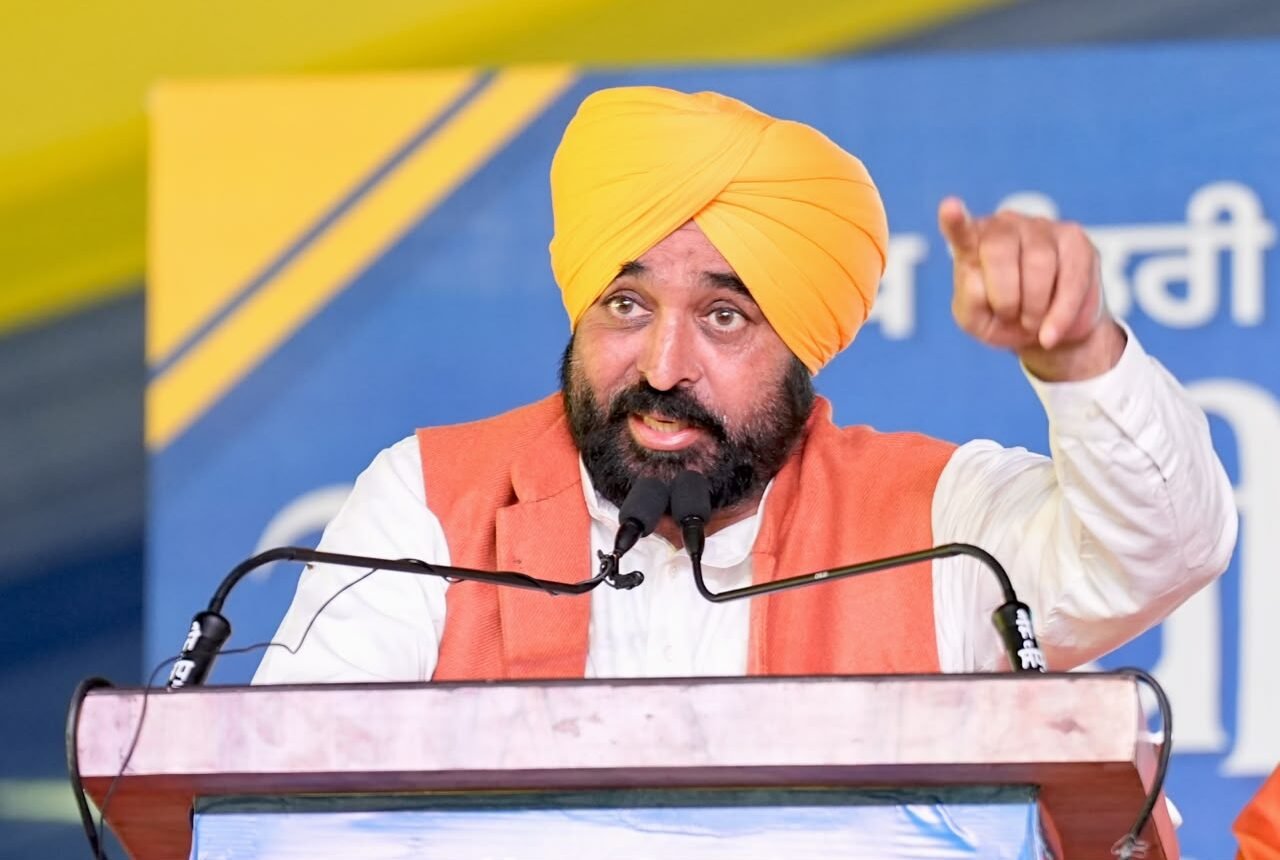
The case came to light the same week Mann transferred ₹1,291 crore to more than 37.43 lakh women at a rally in Abohar on Sunday. “The money being distributed under this scheme belongs to the common people, who contribute to the government treasury through their taxes,” the Chief Minister told the gathering.
The 1,597 names were caught when the state matched the scheme’s beneficiary list against the Integrated Human Resource Management System (HRMS), the database that holds records of every Punjab government employee.
On October 30, the Directorate of Social Security and Women and Child Development wrote to the heads of all departments, boards, corporations and public bodies, asking them to treat the cases as a priority.
The letter gives five orders:
– Check each woman’s job status, service record, and retirement and pension details.
– Seek a written explanation from each woman about her eligibility and the money she received.
– Recover the full amount wrongly paid, as per rules.
– Take administrative or disciplinary action under service rules where a woman gave false information or hid facts.
– Send a detailed report listing the explanations received, the amount each woman drew, the amount recovered and the action taken.
Directorate deputy director Sukhdeep Singh Jhajj said the employees were identified through HRMS. Departments will now serve notices and seek written replies. Those found ineligible will have to return the entire amount, and anyone who took the benefit by giving false information may face disciplinary action, he said.
The inquiry is still pending. How many of the 1,597 actually received money, and how much has to be recovered, will be clear only once departments finish their checks.
How did they get in? When the scheme was launched, women were registered in large numbers through anganwadi centres and Sewa Kendras. Their bank accounts were linked straight to direct benefit transfer (DBT), so money started flowing before detailed background checks could be done. While applying, these women did not disclose that they worked for the government.
The scheme’s rules are clear. Regular or retired employees of the Punjab government, the Centre, or any other state or Union Territory cannot apply. Nor can regular or retired staff drawing salary or pension from a PSU, statutory board, corporation, commission, committee, cooperative body or university. Anyone who paid income tax in the last financial year is out, as are MPs and MLAs.
The scheme was announced in the state budget on March 8, International Women’s Day, and Mann launched it from Dhuri in Sangrur on July 1. The first instalment reached about 32.96 lakh women. The second, released at Sri Goindwal Sahib on October 1, reached over 36.87 lakh, and the third, at Abohar on November 1, went to 37.43 lakh.
The government has paid out ₹3,934.80 crore so far. As of October 29, 80.05 lakh women had registered, and the government aims to cover one crore. Mann said the scheme will cost ₹12,000 crore a year. The next instalment is due on December 1, followed by a three-month lump sum on January 1.
The 1,597 cases are a small slice of that list, but they are the first hard proof that the rush to enrol let ineligible people in. The HRMS check covers only people on government payrolls. Whether income-tax payers, who are also barred, have been screened is not yet clear.
Punjab is not the first state to face this. In Maharashtra, more than 12,900 government employees were found drawing ₹1,500 a month under the Ladki Bahin scheme. By April 2026, the state had recovered about ₹11 crore from ineligible beneficiaries, partly through salary deductions.

Comments