
Punjab’s SGST cash collection jumps 28% in October, twice the national rate
 Aayush Goel
Published
Updated
Chandigarh. Punjab collected ₹1,030.29 crore in State GST (SGST) cash in October. This is the first time since GST came into force in 2017 that the state has crossed ₹1,000 crore in the month of October.
The amount is 28.29 per cent more than the ₹803.07 crore collected in October 2025, an extra ₹227.22 crore. Across the country, SGST collections grew by about 14 per cent in the same month.
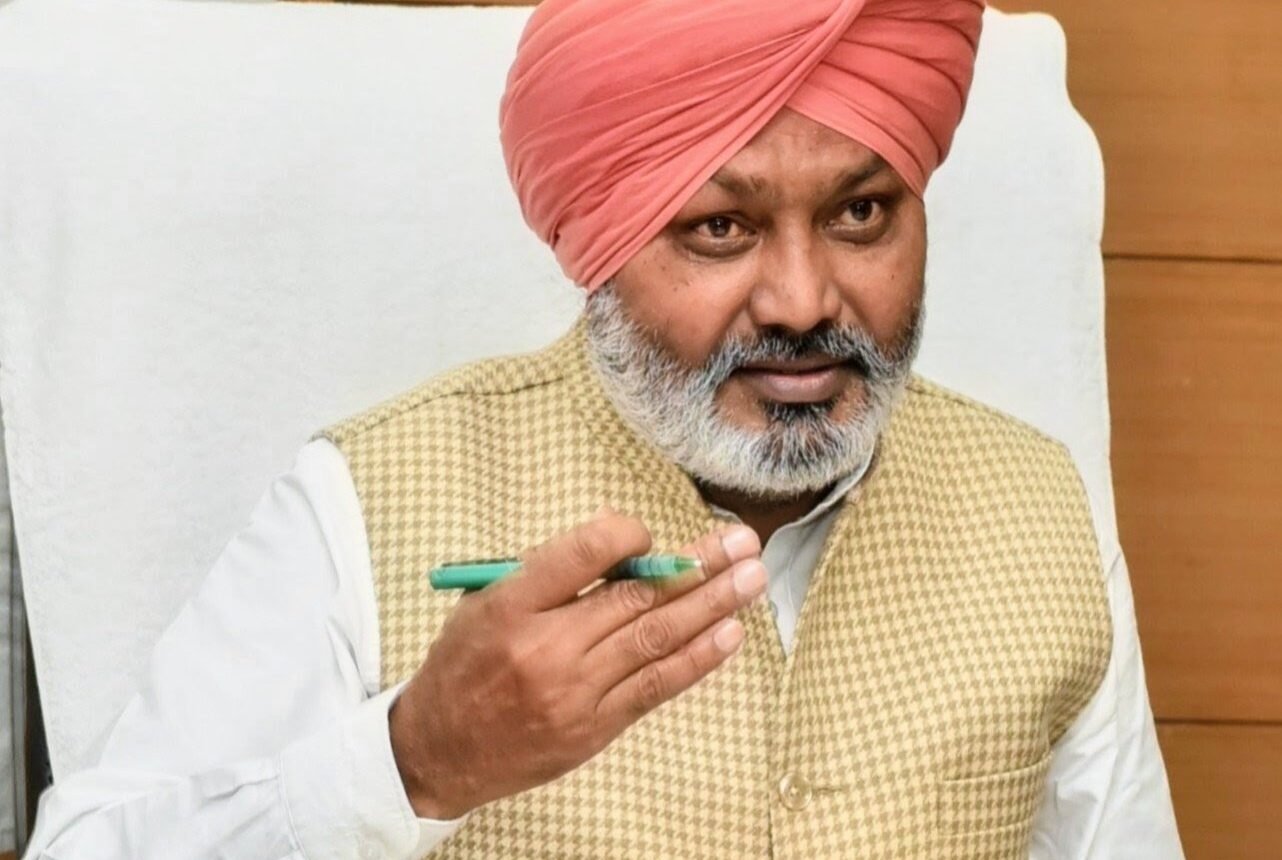
Finance Minister Harpal Singh Cheema released the figures on Sunday. “Punjab has crossed the ₹1,000 crore SGST cash collection milestone for the second time during 2026,” he said. The first time was in April, when collections touched about ₹1,182 crore.
Gross GST up ₹323 crore
Punjab’s gross GST collection for October stood at ₹2,716.60 crore. That is up from ₹2,393.22 crore a year ago, a rise of ₹323.38 crore, or nearly 14 per cent.
Over the first seven months of the financial year, from April to October, gross GST reached ₹18,047.68 crore. The state had collected ₹15,505.66 crore in the same period last year. The gap is ₹2,542.02 crore.
That works out to 16.39 per cent growth. The national figure for the same period was about 15 per cent.
Cheema credited better compliance checks, tech-based scrutiny and tighter tax administration for the numbers.
VAT and CST up nearly 24%
Collections under VAT and Central Sales Tax (CST) also climbed. These taxes still apply to items outside GST, such as petrol, diesel and liquor.
The two heads together brought in ₹763.49 crore in October, against ₹616.93 crore a year earlier. That is a jump of 23.76 per cent, or ₹146.56 crore more.
₹111 crore in fines, ₹20 crore recovered from fraud network
The Excise and Taxation Department slapped penalties worth ₹111.12 crore in October. The cases involved tax evasion, goods moved without proper papers, fake bills and other GST violations.
State Intelligence and Preventive Units (SIPUs), mobile wings and field staff have stepped up road checks, inspections and scrutiny of suspicious deals. “Special emphasis is being placed on detecting fraudulent Input Tax Credit (ITC), misuse of e-way bills and transportation of goods without genuine underlying business transactions,” Cheema said.
The department has recovered ₹20 crore in tax in the Balaji Transport Company case in Ludhiana. Investigators had earlier traced a suspected multi-state racket. It involved around 62 linked firms, with suspected tax evasion of more than ₹400 crore.
In several deals, the firms named as buyers told officials they had never ordered the goods or received them. “The network allegedly facilitated the movement of unaccounted goods through non-genuine invoices and e-way bills,” Cheema said.
A closer look at e-way bill data then pointed to four more transporters. They were allegedly working with the same set of sending and receiving firms and using the same method: moving goods on e-way bills with no real sale and no tax paid. All four have now been booked, widening the probe.
“The government will not allow organised tax evasion networks to cause losses to the public exchequer,” Cheema said. “Our enforcement strategy is focused on identifying the real beneficiaries of fraudulent transactions and dismantling entire networks rather than merely detecting isolated violations.”
‘Money will go to public services’
Cheema gave credit to Chief Minister Bhagwant Singh Mann. “Under the leadership of Chief Minister Bhagwant Singh Mann, Punjab continues to strengthen its financial position through transparent administration, technology-driven tax monitoring and firm action against tax evasion,” he said.
The minister thanked honest taxpayers and department officers. He said the government would keep the system simple for genuine businesses. Fake billing and false ITC claims, he said, would face zero tolerance.
He said the extra revenue would help fund welfare schemes, infrastructure, healthcare, education and other public services.


Comments